
A blind can look made for the room or look slightly wrong before anyone even notices the fabric. The difference often comes down to how you measure window recesses. A recess fit places the blind inside the opening, creating a neat, tidy finish that suits kitchens, bedrooms, living rooms, offices, and rental properties alike.
The good news is that measuring is straightforward when the window opening is square and clear. The catch is that many windows are not. Plaster can taper, tiles can project, handles can get in the way, and newer windows may have deep frames. That is why a careful measuring visit is worth far more than a quick estimate with a tape measure.
What Is a Window Recess Fit?
A window recess is the space between the inside faces of the wall or frame around a window. When you choose a recess fit, the blind sits within that space rather than overlapping it on the wall.
This approach is popular because it keeps the look clean and leaves more of the wall visible. Roller, Venetian, vertical, Roman, night and day, and many electric blind systems can all be supplied for a recess, depending on the window and the product selected.
A recess fit is not always the best choice. If the opening is shallow, the window has a large inward-opening handle, or you need the strongest possible blackout effect, an outside-recess fit may be better. Fitting a blind wider than the opening can also help reduce light at the edges. The right choice depends on how you use the room, not just how the window looks.
How to Measure Window Recesses Accurately
Use a steel tape measure rather than a fabric tape, and measure in inches to the nearest eighth of an inch. Keep the tape level and take your time. You need three measurements for the width, three for the drop, and one for the depth.
Measure the width in three places
Measure the inside width at the top, center, and bottom of the recess. Start from the left inside edge and measure straight across to the right inside edge. Do not measure the glass, and do not measure the outer window frame unless the blind will be mounted there.
Write down all three figures. The smallest width is the one that matters, as it is the tightest point of the opening. A recess can narrow slightly toward the bottom because of plaster, tiling, or an uneven reveal. Ordering to the largest measurement can leave you with a blind that simply will not fit.
For made-to-measure blinds, do not take a clearance deduction yourself unless the supplier specifically asks you to. A professional blind supplier will normally make the correct allowance for the blind mechanism and smooth operation. Giving the exact recess size avoids double deductions and costly gaps.
Measure the drop in three places
Next, measure from the top inside edge of the recess down to the window sill. Take this measurement on the left, in the center, and on the right. Again, use the shortest figure if the sill or top of the recess is not level.
If there is no sill and the opening continues to the floor, measure to the point where you want the blind to finish. For a door, check whether flooring, thresholds, or a handle will affect the available space. Vertical blinds and roller blinds can look particularly smart on doors, but they need enough room to operate without catching.
Check the recess depth
Depth is often missed, yet it can decide whether your preferred blind will work. Measure from the front edge of the recess back to the glass or the nearest obstruction. Then look for anything that sticks out: window handles, vents, tiling, alarm sensors, or deep glazing beads.
Slim roller blinds may work in a tighter opening than a wood Venetian blind, for example. A Venetian blind needs room for its slats to tilt, while a Roman blind has a stack of fabric at the top when raised. Perfect Fit blinds are designed differently and attach to suitable window frames, making them a useful option for tilt-and-turn windows or doors where a standard recess blind may interfere with movement.
Check What Could Obstruct the Blind
A measurement can be technically correct and still lead to the wrong product choice. Before ordering, open the window fully and note where the handle sits. Check whether the blind will be raised regularly, whether the window opens inward, and whether the sill holds plants or decorations.
In bathrooms and kitchens, tiles frequently reduce the recess width or create an uneven surface. In bay windows, each section needs measured separately, and the angle between windows affects how the blinds sit together. For a home office, consider screen glare as well as privacy. A Venetian or vertical blind gives adjustable light control, while a roller blind offers a simple, sleek finish.
Blackout deserves a practical word too. Blackout fabric reduces light through the material, but a recess-fitted blind still has small gaps at the sides. For a nursery, bedroom, or media room where darkness matters most, fitting outside the recess may offer better coverage. There is always a balance between a fitted look and maximum light reduction.
Common Recess Measuring Mistakes
The most frequent mistake is measuring only once. Windows are rarely as perfectly square as they appear, especially in older homes. Three width and three drop measurements reveal the variations that a single measurement hides.
Another is confusing the recess with the glass size. The glass measurement is only relevant for certain frame-fitted products. A standard recess blind needs the full internal opening, including the usable space around the frame.
It is also easy to overlook the blind’s controls. Decide which side you want the chain, cord, or electric control positioned on, and make sure it will not conflict with a handle, cabinet, or nearby furniture. For family homes, cordless and electric options can also be a practical choice for a cleaner finish and everyday convenience.
Finally, avoid ordering from measurements taken before new flooring, tiles, or window trim are installed. Even a small change can affect the fit. If the room is being renovated, measure once the surfaces around the window are complete whenever possible.
When a Professional Measuring Visit Makes Sense
Measuring your own recess is useful for planning, comparing styles, and getting an early idea of what will suit the room. But for a made-to-measure order, professional measuring removes the guesswork. This is especially valuable for bays, doors, large windows, unusual shapes, shutters near the window, and commercial spaces with multiple openings.
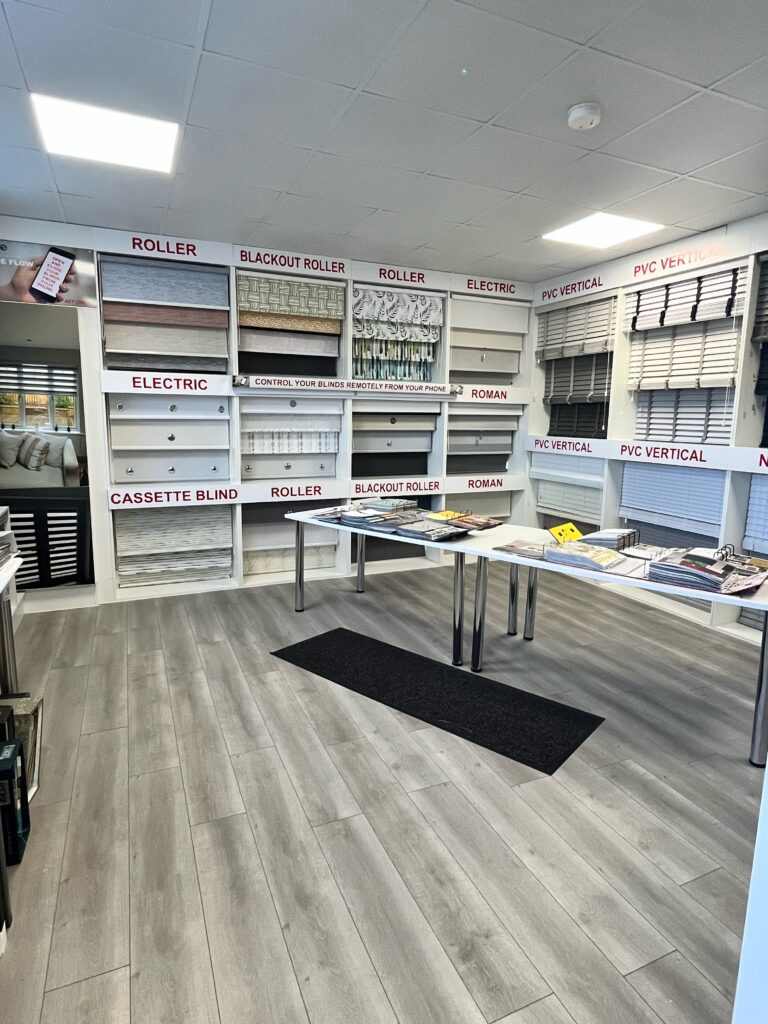
At Cash N Carry Blinds, a free home consultation gives you the chance to see samples in your own light, discuss privacy and glare, and have the window measured for the system you choose. With more than 30 years of specialist experience, the team can spot the details that are easy to miss, from a shallow recess to a handle that changes the fitting plan.
A showroom visit can help narrow down colors and materials, but the final decision should work with the actual window. The same fabric may feel different in a sunny south-facing room than it does in a shaded bedroom. A measuring visit turns that choice into a fitted solution, with no pressure to make technical decisions alone.
Before booking, take a quick photo of the window and note any concerns such as heat, privacy, awkward handles, or a need for blackout. Then let the fitting specialist advise on the best recess fit, outside-recess fit, or frame-fitted option. A blind should make the room easier to live in, and the right measurement is where that starts.