
A sunny window can feel welcome in the morning, then make a living room uncomfortably warm by lunchtime. In winter, that same window can leave a cold spot beside the sofa. So, can blinds reduce energy bills? They can help, especially when they are properly measured, well fitted, and used to control heat at the times it matters most.
Blinds are not a replacement for quality windows, insulation, or an efficient heating system. But they add a useful layer between your room and the glass. That extra layer can reduce unwanted solar heat, limit drafts around the window area, and make rooms feel more comfortable without relying as heavily on heating or air conditioning.
Can blinds reduce energy bills in real homes?
Yes, but the saving depends on the room, the direction the window faces, the type of glazing, and how you use the blinds. A large south- or west-facing window can bring in considerable heat and glare during sunny periods. Closing the right blind before the room overheats may mean less need for cooling later in the day.
During colder weather, closing blinds at dusk helps create an insulating pocket of air between the fabric or slats and the window. The effect will not transform a poorly insulated home overnight, but it can make the space near windows feel less chilly. When a room feels more even in temperature, people are less likely to turn up the thermostat simply to compensate for a cold corner.
The biggest benefit is often comfort first, with lower energy use following from better day-to-day control. A blind that is left open when the sun is beating through it cannot do much to prevent overheating. Equally, blinds kept closed all day in winter may block useful natural warmth and daylight. The best approach changes with the season and the room.
How window blinds help control heat
Glass transfers heat more readily than an insulated wall. Blinds slow some of that heat movement and, depending on the style, reflect or absorb solar warmth before it spreads around the room.
In summer or during bright spells, a close-fitting blind reduces direct sunlight on floors, furniture, and work surfaces. That matters in kitchens, conservatories, home offices, and bedrooms, where strong sunshine can quickly make the room difficult to use. It also protects furnishings from fading.
In colder months, blinds help by reducing the feeling of radiant cold from the glass. The closer the blind sits to the window, the better the insulating effect is likely to be. Gaps at the top and sides allow air to circulate more freely, which is why made-to-measure blinds can be a worthwhile choice for both comfort and appearance.
Light-colored or reflective-backed fabrics can be particularly useful where solar control is the priority. Darker fabrics may suit a room’s style and provide excellent light blocking, but they can absorb more heat. There is no single best color for every window. The right choice depends on whether you are trying to reduce glare, hold warmth in, darken a bedroom, or achieve all three.
Which blinds are best for energy efficiency?
Several blind styles can support better temperature control. The ideal option should fit the window properly and suit how the room is used.
Roller blinds
Roller blinds are sleek, practical, and available in a wide choice of performance fabrics. Sunscreen and reflective options help cut glare while retaining some daylight and a view out, making them a strong choice for living rooms and offices. Blackout roller blinds are useful in bedrooms and media rooms where light control is the main goal.
For heat reduction, fabric choice matters as much as the blind style. A specialist can show you samples in your own window light, which is much more helpful than judging a small online image.
Venetian and wooden blinds
Venetian blinds give you flexible control. Tilt the slats to direct daylight upward, reduce glare on a screen, or block harsh sun without closing the window off completely. This makes them a practical option for kitchens, offices, and rooms that need privacy during the day.
Wooden blinds bring natural charm and a substantial look to a room. Their slats can also help create a barrier at the window when closed. As with any slatted blind, there are small gaps, so they are generally less insulating than a close-fitting fabric blind. Their strength is adjustable light and privacy control combined with a warm finish.
Roman blinds
Roman blinds use fuller fabric panels, which can provide a more substantial covering at the window than individual slats. They are a popular choice for lounges, dining rooms, and bedrooms where softness and style are as important as practical performance.
A lined Roman blind can be particularly helpful in a cooler room. It will still have gaps around the edges, but the layered fabric adds a useful buffer against the glass. Keep in mind that Roman blinds stack at the top when open, so they are best for homeowners who want a tailored, decorative finish as well as light control.
Perfect Fit and cellular-style solutions
For conservatories, patio doors, tilt-and-turn windows, and other awkward spaces, a neat, close-fitting system can make a noticeable difference. Perfect Fit blinds sit within the frame, reducing side gaps and avoiding the need for cords or drilling into certain window frames. They are especially practical where doors or windows need to open freely.
Close-fitting systems help limit direct sun and give the window a tidier finish. If your priority is insulation, ask about fabrics and systems designed for thermal performance. The best solution is not always the most decorative one, but you should not have to compromise on either function or style.
Use blinds at the right time for better results
Energy-conscious blind use does not need to be complicated. On bright, hot days, close sun-facing blinds before the room gets too warm, then open them again when the direct sun has moved. If you work from home, tilting Venetian slats or lowering a sunscreen roller blind can reduce screen glare without putting the room in darkness.
In winter, open blinds during the day when sunlight can naturally warm the room. Close them as daylight fades to help reduce heat loss through the window area. Bedrooms are a good example: closing blackout or Roman blinds in the evening can make the room feel more settled and private, while supporting a warmer feel overnight.
Electric blinds make this routine even easier. With effortless control at the touch of a button, they are useful for tall windows, hard-to-reach conservatory glazing, and busy households. Some homeowners choose scheduled operation so blinds close during the strongest afternoon sun or at dusk, even when nobody is home.
Do not overlook fitting and window condition
A bargain off-the-shelf blind may improve glare, but it can leave large gaps and sit poorly on non-standard windows. Accurate measuring makes a real difference to how a blind looks and performs. It also avoids common problems such as blinds catching on handles, leaving unwanted light gaps, or failing to cover the full glass area.
Blinds cannot fix failed seals, severe drafts, damaged frames, or single-pane windows that are due for replacement. If a room is persistently cold or damp, deal with the underlying issue first. Think of blinds as one practical part of a wider plan that may include draft proofing, better glazing, loft insulation, and sensible heating controls.
For rental properties and commercial spaces, blinds can be a straightforward upgrade with an immediate impact on comfort, privacy, and glare. Offices with sunny screens, retail windows with fading displays, and bedrooms facing busy streets can all benefit from a properly specified blind system.
Choosing blinds with confidence
The easiest way to choose is to start with the problem you want to solve. Is the room overheating in afternoon sun? Is a bedroom too bright too early? Do you want a warmer feel near the window, more privacy, or less glare on a television? Once that is clear, the choice of fabric, color, fit, and operating system becomes much simpler.
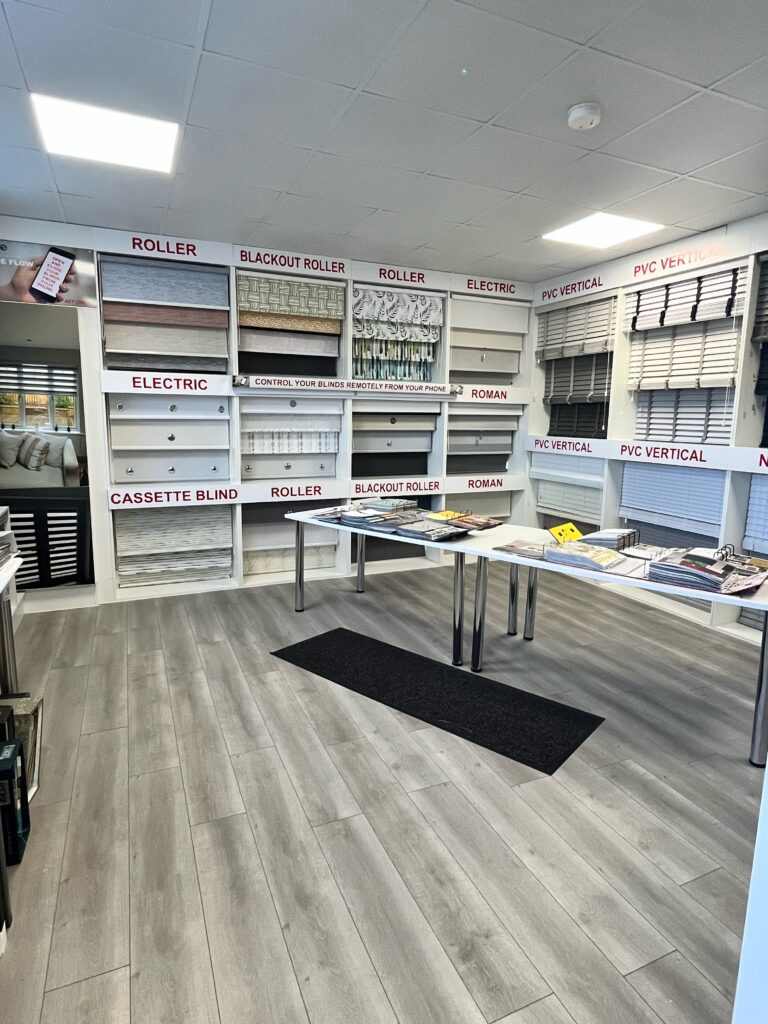
Cash N Carry Blinds Ltd provides free measuring and fitting, so homeowners can see samples, discuss the room’s needs, and receive advice based on the actual window rather than guesswork. With more than 30 years of experience and a local showroom, the focus is on attractive, practical blinds at a fair price.
A well-chosen blind will not make an inefficient home perfect, but it can make everyday rooms easier to live in. Start with the windows that cause the most glare, heat, or cold, and choose a made-to-measure solution you will be happy to use every day.